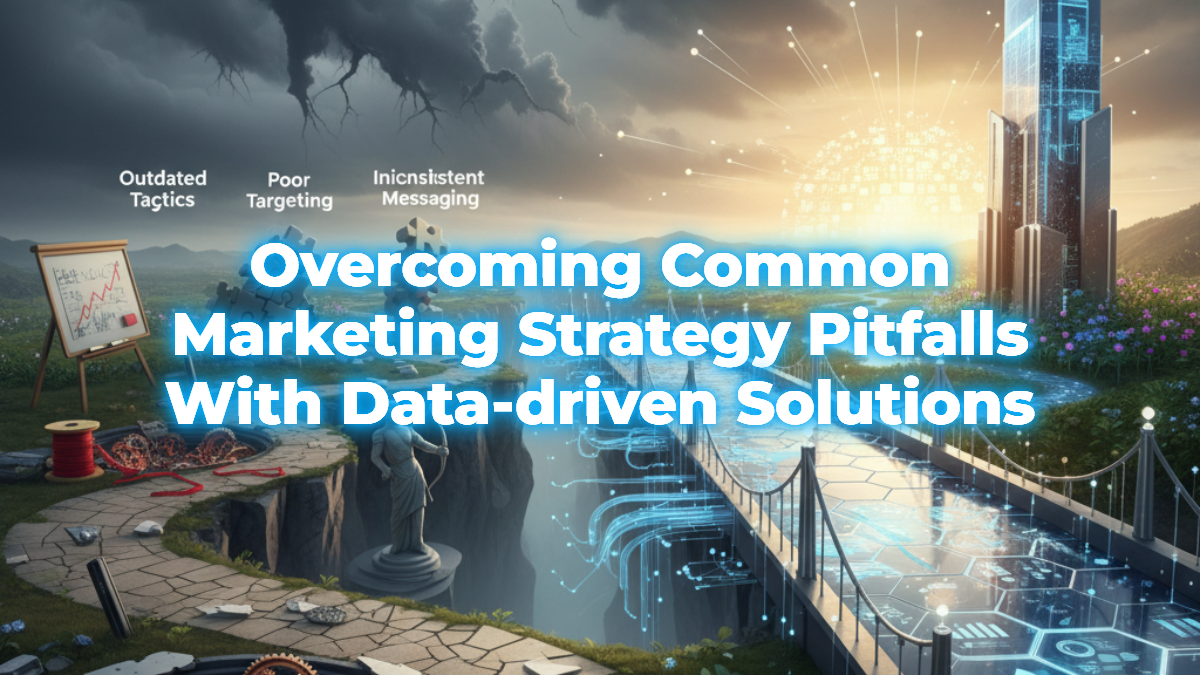
Imagine walking into a room blindfolded, relying only on your sense of smell to navigate a roomful of obstacles. Sounds a bit reckless, right? Yet, that’s precisely what many businesses do with their marketing strategies, fumbling around without the guiding light of data. Welcome to the world where data-driven insights are the difference between a winning campaign and a costly mistake.
In today’s rapidly evolving market landscape, relying on gut feeling alone is like betting your whole marketing budget on a game of darts—while blindfolded. But fear not! With the right data-driven approaches, you can heat-seek your way to consumer hearts and wallets.
Content Marketing Strategies: Getting Past the Noise
In the vast ocean of content, the last thing you want is for your brand to be just another drop in the sea. The key to standing out? Leveraging content marketing strategies that are rooted in real-world data.
Picture this: you’ve written a killer blog post on social media marketing tips, yet it’s getting about as many visitors as a desert island. Where did things go awry? The answer might lie in deeper SEO insights and understanding audience behavior.
Tip: Use tools like Google Analytics and SEMrush not just to track your content’s performance, but to uncover what truly resonates with your audience. Instead of focusing on content quantity, turn your attention to what really matters: engagement and conversion.
Social Media Marketing Tips: Making Data Your Superpower
If content is king, then data is undoubtedly the kingmaker. With billions scrolling through social feeds every day, it’s easy for your content to feel like a needle in a haystack. Resolve this by making data your superhero cape.
Imagine crafting posts on a whim because they’re “what’s trending”—only to realize they fell flat faster than a popped balloon. A smarter approach is to let data inform your social media marketing tips.
Insight: Dive deep into your social media analytics. Identify patterns and times of peak engagement to optimize your posting schedule. Don’t just ride the trend wave blindly; understand what fuels your particular audience’s interests and ride that data wave instead.
Email Marketing Optimization: More Than Just Opens and Clicks
Email marketing is like a fine wine—it gets better with age and a bit of analytics. But are you still stuck using an email strategy that smells like it’s past its prime? Time to pour a fresh bottle!
You know those email campaigns that feel like they’re shouting at you from five different fonts and colors? Yeah, nobody got time for that.
Takeaway: Start by segmenting your email list based on user behavior. Use A/B testing to hone in on subject lines, and don’t overlook the power of personalized content. Track open rates, yes, but prioritize engagement metrics to truly optimize your email strategy.
SEO and Organic Growth: Unveiling the Subtle Art
SEO and organic growth might seem like a mystical art practiced in the hidden recesses of the internet. In reality, it’s far less sorcery and more science (backed by data, of course).
Let’s say you’re seeing sky-high traffic, yet your conversion rate is as low as a limbo dancer’s bar. Instead of casting blame on algorithms, consider diving a bit deeper.
Action: Utilize tools like Google Search Console to analyze your site’s search performance. Regularly update old content even if it’s performing well—it keeps your rankings alive and kicking. And don’t forget about technical SEO elements like page load speed; they often hold the keys to significant organic growth breakthroughs.
Paid Advertising Strategies: Beyond the Spray and Pray
Once upon a time, paid advertising was straightforward: bid high, hope for the best. Today, expect more than simply spraying your budget across platforms as you pray for miracles.
Think of paid ads like hosting a dinner party. You wouldn’t serve something your guests dislike, right? Data works the same way; it ensures your ads cater to those who’ll savor them most.
Advice: Dive into pre-campaign analysis, understand your audience’s previous interactions, and calculate potential ROI before going live. Tools like Facebook Audience Insights and Google Ads Keyword Planner are your true allies in refining your paid advertising strategies.
Bonus: A Crash Course in Data-Driven Mythbusting
- Myth: More traffic means more revenue.
- Fact: Quality over quantity—focus on conversion.
- Myth: All email opens are created equal.
- Fact: Engagement matters more than open rates.
- Myth: SEO is just about keywords.
- Fact: User experience and content quality are equally crucial.
Conclusion
In a world overflowing with data, the biggest pitfalls in marketing strategies arise not from lack of information, but from ignoring it. By taking a step back to harness the power of data analytics, you’re not just staying afloat—you’re charting a course for success.
So here’s your challenge: dig into your data, question assumptions, and pivot strategies that aren’t delivering. The insights are waiting—are you ready to turn them into action?
Join the Conversation
If this blog sparked an aha moment or if you have your own insights to share on content marketing strategies, let us know in the comments. Don’t forget to share this with fellow marketers on the same quest for data-driven success. Looking for more tips? Check out our latest guides on social media marketing and SEO.